21 results

Long before ICTJ existed, societies everywhere wrestled with the justice-related dilemmas caused by violent conflict, and victims, communities, and courageous leaders found answers of their own. What was missing was a place where people who took part in those different experiences could meet, share knowledge and lessons, and build a community to respond together to the evolving challenges to justice and peace. In 2001, ICTJ was created to be that place and to catalyze a collective effort to address massive human rights violations and build a peaceful, inclusive, and just future.

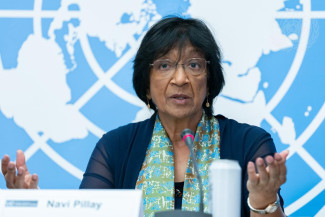
ICTJ welcomes the recognition of Navi Pillay as the 2026 Nobel Peace Prize Laureate and expresses its deep appreciation for her lifelong commitment to human rights, international law, and justice for victims of international crimes.

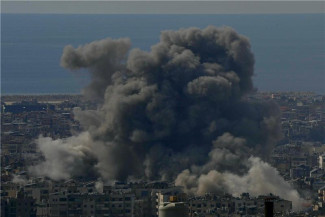
Recent Israeli strikes in Beirut and other populated areas in Lebanon, among the conflict's most intense so far, have destroyed critical infrastructure and devastated civilian communities. ICTJ stands unequivocally with the Lebanese people and all victims across the region and calls for an immediate end to all attacks on and threats to civilian communities and infrastructure.

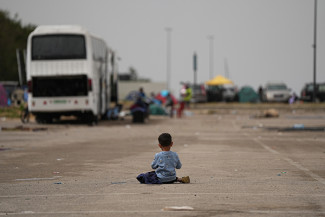
ICTJ is watching with grave concern the unfolding war launched by the United States and Israel against Iran and its devastating ripple effects across the wider region. Over a month into the conflict, the human cost is staggering. We at ICTJ reaffirm the international principles that govern our shared world and stand unequivocally with all victims across the region.

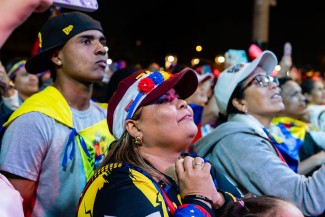
On February 19, 2026, Venezuela’s National Assembly passed the Amnesty Law for Democratic Coexistence, which seeks to extinguish criminal liability for certain acts committed in the country over the past 26 years. While the law has sparked debate, it undeniably represents a significant development in the country's political landscape.

Throughout 2025, ICTJ’s experts offered thoughtful analysis on conflicts and major political developments in more than 10 countries as part of the World Report newsletter. Their insightful commentaries shed light on the obstacles that victims, civil society, and their partners must navigate as they pursue sustainable peace and justice. In this edition, we look back on the past year through the Expert’s Choice column.

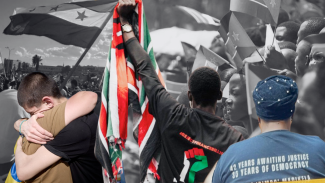
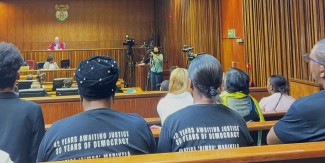
On April 14, 2025, the Johannesburg High Court handed down a landmark judgment. From his bench in courtroom 4D, Judge Dario Dosio dismissed the defense team’s objections to the inclusion of murder and apartheid as crimes against humanity charges in the indictment against two individuals accused of a deadly 1982 attack on anti-apartheid student activists. In so doing, the court cleared the way for crimes against humanity charges to be pursued in a South African domestic court for the first time. It also opened the door to the first ever prosecution of apartheid as a crime against humanity anywhere in the world.

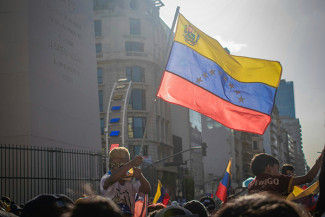
In the wake of the recent contentious presidential elections, Venezuelans from all walks of life took to the streets to express their collective distrust of the official results, outrage over their country's dire economic and political crisis, and demand for transformative change. For a brief moment, their sheer numbers and the of unity of their voices gave hope that a window of opportunity had opened for real change. In countries grappling with massive human rights violations, from time to time, a window of opportunity does in fact open for society to come together and a forge path toward peace and justice. Unfortunately, such windows do not remain open indefinitely.

This past month, the United States officially observed Juneteenth for the fourth time since President Joe Biden declared it a federal holiday in 2021. Commemorations are a chance to acknowledge past milestones and reflect on their relevance to the present. In the spirit of Juneteenth, it is important to highlight and celebrate the wins and progress made toward fulfilling the promise of liberty for all.

Throughout 2023, ICTJ’s experts have offered their unique perspective on breaking news around the globe as part of the World Report. Their insightful commentaries have brought into focus the impact these events have on victims of human right violations as well as larger struggles for peace and justice. In this edition, we look back on the past year through the Expert’s Choice column.