105 results

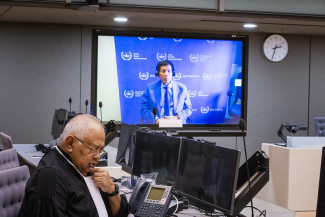
On February 27, 2026, the International Criminal Court concluded its confirmation of charges hearing in the case against former Philippines President Rodrigo Duterte, who stands accused of committing crimes against humanity. ICTJ Senior Expert Ruben Carranza, who is Filipino-American, reflects on this case in connection with his recent lecture on transitional justice and Duterte's war on drugs at Georgetown University.

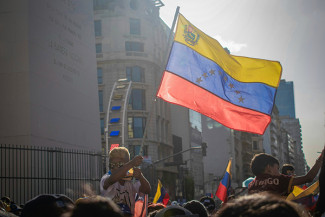
On February 19, 2026, Venezuela’s National Assembly passed the Amnesty Law for Democratic Coexistence, which seeks to extinguish criminal liability for certain acts committed in the country over the past 26 years. While the law has sparked debate, it undeniably represents a significant development in the country's political landscape.

In 2026, ICTJ will mark its 25th anniversary. As an organization, we approach this milestone with genuine pride and determination, but also with grave concerns about the world in which we find ourselves in this moment.

Throughout 2025, ICTJ’s experts offered thoughtful analysis on conflicts and major political developments in more than 10 countries as part of the World Report newsletter. Their insightful commentaries shed light on the obstacles that victims, civil society, and their partners must navigate as they pursue sustainable peace and justice. In this edition, we look back on the past year through the Expert’s Choice column.

On November 20 — on the 80th anniversary of the opening of the main Nuremberg trial, which prosecuted Nazi leadership for aggression and mass atrocities of World War II — details of the allegedly proposed new “peace” plan for Ukraine emerged. The initiative has surfaced one of the Kremlin’s recurrent demands: full amnesty for wartime atrocities — the very acts Nuremberg sought to punish and prevent.

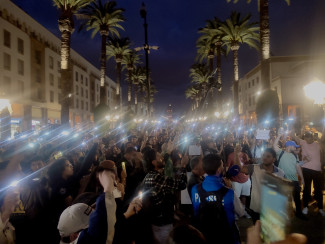
The death of eight women in childbirth at a hospital in Agadir this past August sent shockwaves through Morocco. The news crystallized national anger over deteriorating public services as well as persistent high unemployment and corruption. Years of frustration erupted into the streets as thousands of mostly young Moroccans gathered in cities and towns across the nation to protest and to demand accountability and institutional reform.

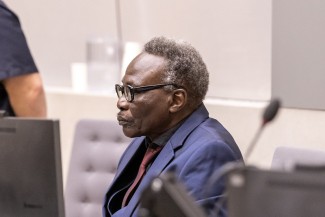
On October 6, the International Criminal Court (ICC) found former Janjaweed militia leader Ali Muhammad Ali Abd-Al-Rahman (also known as Ali Kushayb) guilty of 27 counts of crimes against humanity and war crimes committed in Darfur between August 2003 and March 2004. This landmark verdict counters cycles of impunity in Sudan and sends a powerful message that these crimes are not tolerated.

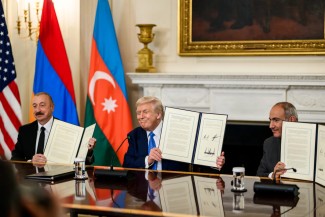
On August 8, Armenia and Azerbaijan signed the Joint Declaration on Future Relations. Hailed by some as a “historic peace deal,” it neither is a treaty nor ends the 37-year Nagorno-Karabakh conflict. Rather, it is a political framework that requires international support and attention.

The numerous atrocities committed by Russia in Ukraine have been part of the former's aggression since its initial invasion of the Crimea and Donbas regions in 2014, though they have skyrocketed in number and severity since the full-scale invasion in 2022. Among these crimes are enforced disappearances, which serve as the means by which the Kremlin more broadly intends to subjugate Ukrainians and eliminate any traces of the Ukrainian national identity.

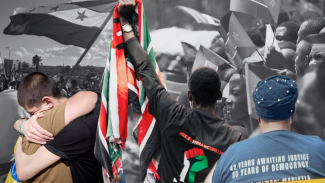
The police response to the peaceful anti-government protests in Kenya over the past year has been deadly and brutal. Their actions have rocked the country and reaffirmed the 2013 findings of the Kenyan Truth, Justice and Reconciliation Commission (KTJRC) that state security agencies, particularly the police, have historically used excessive and disproportionate force and “been the main perpetrators of bodily integrity violations of human rights in Kenya including massacres, enforced disappearances, torture and ill-treatment, and sexual violence.”