1519 results

The first verdict in the Justice and Peace process case against paramilitary commander Hebert Veloza Garcia, alias “H.H.”, will be announced on October 30, and will be a landmark in Colombia's compliance with its obligation to investigate, prosecute, and sanction those who have committed international crimes and serious human rights violations in the country.

In the lead up to Afghanistan's second cycle of elections in 2009 and 2010, this report aims to analyze the legal and operational framework for vetting candidates in the upcoming elections; describe and assess the challenges to the vetting process in the previous elections; map out po...

This publication, written for the UNDP, provides operational guidelines on the implementation of vetting programs in post-conflict societies.

The Gambian Truth, Reconciliation, and Reparations Commission (TRRC) started its operations in January 2019 with the public hearings of witnesses, victims, and perpetrators. It has already succeeded in having high-profile perpetrators testify publicly on their role in violations concerning several victims. But the question is, who should be at the center of truth telling?

As part of the new digital campaign "Reparations Build Justice," the ICTJ team would like to share the keynote address given by ICTJ Director of Programs and Deputy Executive Director Anna Myriam Roccatello at a recent conference on issues related to providing reparations through international criminal courts. In her remarks, Roccatello describes the inextricable link between accountability and reparation as well as ICTJ’s unwavering commitment to victims of massive human rights abuses.

"Victims: Anonymous in War, Protagonists in Peace" is the story of an unprecedented event in world peace accords: that the victims were - during the negotiations - at the center of the construction of the justice agreement between the Colombian government and the FARC guerilla.

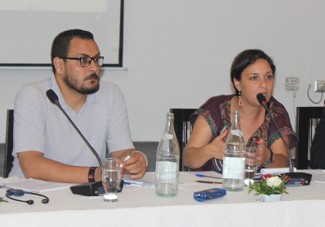
In Cote d’Ivoire, victims of the 2010-11 post-election violence have yet to receive reparations for violations that occurred during the political upheaval following the election of President Ouattara. Victims’ organizations in Cote d’Ivoire joined ICTJ and the ONUCI Human Rights Section for a three-day training session in Abidjan on reparative justice and the right to reparation.

As the peace talks progress between the Colombian government and FARC representatives in Havana, many Colombians are increasingly hopeful that the country will be able to put an end to more than 50 years of armed conflict. Despite broad support by many different sectors of society, the ...

With the aim of reinforcing the legitimacy of the peace process, which could lead to a historic compromise that would deeply influence the future of the country, thousands of Colombians are marching today to express their support for the discussions, for peace, and for democracy. Their motto is: “We are the majority: Now is the time for peace!”

In many countries of the African Great Lakes region, state-led approaches to transitional justice have been created by wide-ranging agreements or policies that have been later forgotten or only partially implemented. Even when implemented, they are often subject to years of delay and/...