625 results

This year, ICTJ is commemorating its 25th anniversary, as well as 20 years of continuously contributing to transitional justice efforts in Colombia. Along with many others around the world, it is also observing the 10th anniversary of the peace agreement that ended Colombia's devastating 50-year conflict. In this interview, María Camila Moreno, head of ICTJ’s office in Colombia, reflects on the meaning of these convergent anniversaries, the achievements and setbacks over the past two decades, and what the world can learn from Colombia’s experience.

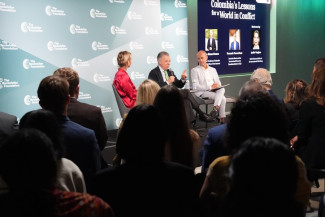
At a recent panel discussion in New York, former Colombian President and Nobel Peace Prize laureate Juan Manuel Santos and ICTJ Executive Director Fernando Travesí-Sanz reflected on the 10th anniversary of the Peace Agreement ending the country's internal conflict, the lessons learned, and the ongoing challenges for peace.

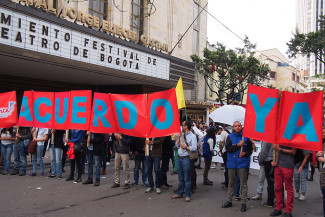
On November 24, Colombians and many around the world commemorated the 10th anniversary of the signing of the final peace agreement that ended the country's brutal 50-year conflict. This agreement remains a historic watershed that has widened democratic participation, brought back thousands of former combatants into civilian life, and put victims’ demands truly at the center of justice efforts in Colombia, despite the intense polarization that surrounded its signature and the obstacles that its implementation encountered.

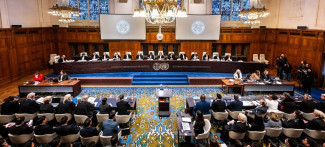
The International Court of Justice issued a historic ruling finding Myanmar committed genocide against the Rohingya group during the 2017 “clearance operations,” in violation of its international obligations. The judgment represents a long-awaited acknowledgment of the victims who have suffered repeated gross violations of human rights because of their ethnicity and later due to their displacement, as well as an opportunity to recognize and support The Gambia’s own pursuit of justice.

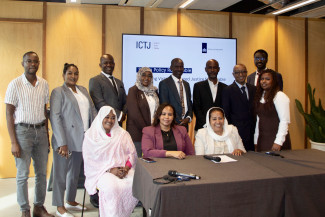
With the war in Sudan now in its fourth year and amid unspeakable atrocities, 12 Sudanese human rights defenders and experts recently gathered with international stakeholders for a policy roundtable in The Hague to discuss what can be done now to advance justice in Sudan.

Civil society actors involved in transitional justice processes use narrative communication in strategic and agile ways. This work is vitally important, and yet it does not receive the attention and support it should.

Long before ICTJ existed, societies everywhere wrestled with the justice-related dilemmas caused by violent conflict, and victims, communities, and courageous leaders found answers of their own. What was missing was a place where people who took part in those different experiences could meet, share knowledge and lessons, and build a community to respond together to the evolving challenges to justice and peace. In 2001, ICTJ was created to be that place and to catalyze a collective effort to address massive human rights violations and build a peaceful, inclusive, and just future.

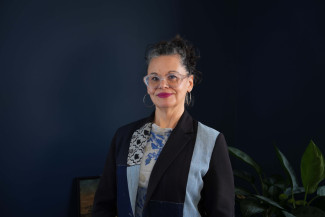
Over 100 representatives of civil society organizations, victims’ associations, government institutions, and diplomatic missions recently gathered in Addis Ababa to discuss what an inclusive transitional justice process in Ethiopia should look like. Participants explored best practices, local approaches, as well as persistent challenges to ensuring that those most affected by injustice play a central role in any process designed to address it.

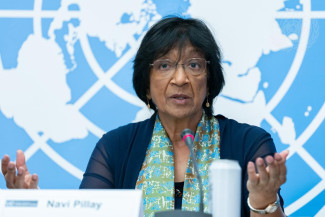
ICTJ welcomes the recognition of Navi Pillay as the 2026 Nobel Peace Prize Laureate and expresses its deep appreciation for her lifelong commitment to human rights, international law, and justice for victims of international crimes.

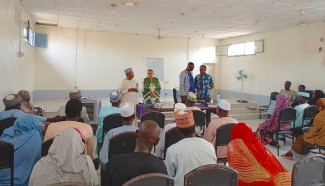
In Chad, the 2022 Doha Peace Agreement and the subsequent national discussions on reconciliation have created a rare opportunity for Chadians to confront the legacies of past human rights violations. Over the past several months, ICTJ has been assessing whether this opening could provide a viable entry point for transitional justice in the country.