59 results

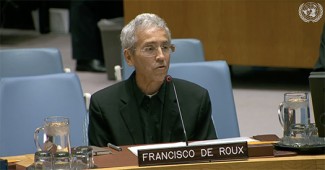
The United Nations Security Council has considered transitional justice on several occasions in the past and included many of its components in country-specific resolutions, and also stressed the links between transitional justice and the other items on its thematic agenda including women, peace and security, and children and armed conflict, and it has made explicit reference to transitional justice as a key part of efforts to sustain peace. Yet, on February 13, the Security Council held its first open debate focusing solely on transitional justice.

As subscribers, you enjoy timely commentary on what’s happening in transitional justice around the world written by one of our experts exclusively for our monthly World Report newsletter. In this month’s edition, we bid farewell to 2019 by looking back on the experts’ choices of the past year.

The political crisis in Venezuela seems to have reached a stalemate. In September, the Norway-mediated negotiations between the Maduro government and the opposition came to a halt, leaving both sides struggling for the upper hand. But since it remains difficult for either party to prevail, it is likely that this impasse is a momentary setback rather than an indication that the negotiations are defunct.

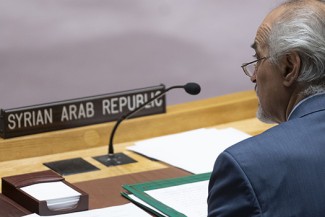
The Syrian Constitutional Committee has finally been agreed upon. The 150-member committee — made up of representatives of the Syrian regime, the opposition, and civil society members — is tasked with writing a new constitution for Syria. In an ideal world, this new constitution could be the first step to bringing an end to the deadly conflict that has left the country, and the lives of countless Syrian people, in ruins.

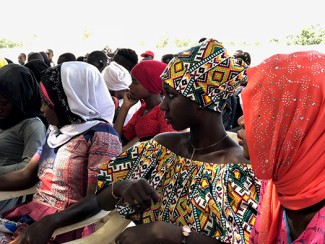
The Gambian Truth, Reconciliation, and Reparations Commission (TRRC) started its operations in January 2019 with the public hearings of witnesses, victims, and perpetrators. It has already succeeded in having high-profile perpetrators testify publicly on their role in violations concerning several victims. But the question is, who should be at the center of truth telling?

The Working Group on Transitional Justice and SDG16+ calls on the international community, including policymakers, donors, and practitioners, to: provide consistent support and investment to context-specific transitional justice, as a tool of sustainable peace and development. formulate development...

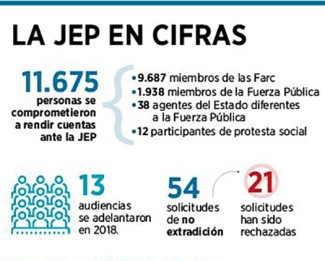
In little less than 10 months, Colombia has witnessed the creation of a completely new jurisdiction, the Special Jurisdiction for Peace (JEP). JEP has already opened two cases and three situations in its Chamber for the Acknowledgment of Truth and Responsibility.

On September 18, the trial of Dominic Ongwen resumed at the ICC. Ongwen is on trial for 70 counts of war crimes and crimes against humanity – including various forms of sexual violence and the recruitment of child soldiers – committed in the former IDP camps of Lukodi, Odek, Abok, and Pajule during the 20-year insurgency in Northern Uganda. Ongwen is the first former child soldier who is facing trial at the ICC for crimes in which he was also a victim.

On the eve of Côte d'Ivoire’s 58th independence anniversary, in a dubious attempt at “social cohesion,” President Alassane Ouattara granted amnesty to 800 persons accused or convicted of crimes against the state during the post-election crisis of 2010-2011. Former First Lady Simone Gbagbo — who had been tried for undermining state security — and other high-ranking officials associated with former President Laurent Gbagbo’s party, the Ivorian Popular Front (FPI), were among those released. The lapses in accountability and acknowledgment in Cote d’Ivoire have emboldened perpetrators and made it impossible for many victims to move on with their lives. The challenges of transitional justice processes present clear obstacles to the sustainable peace that the people of Cote d’Ivoire have been working toward.