Moving to the Beat of Justice: ICTJ Cohosts International Hip Festival on Truth, Memory, and Resistance

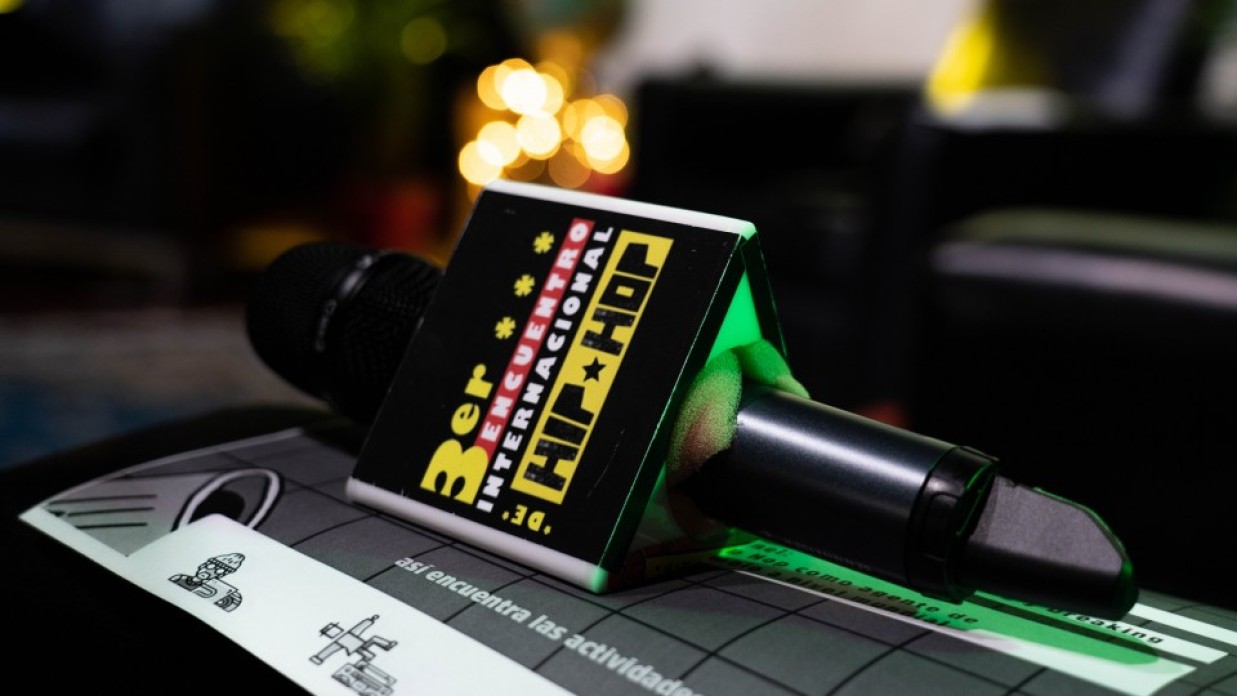
A microphone with the logo of the competition on a table.

Despite the COVID-19 global health emergency, ICTJ, the Movement of Latin American Hip Hop Expressions (MELAH), and the magazine Cartel Urbano hosted the third International Hip Hop Encounter. The four-day virtual event, which took place on November 25 through 28 in Bogotá, brought together artists, musicians, and activists from across Latin America and Africa for live performances and to discuss the role of hip hop music and culture in uncovering truth, preserving memory, and resisting violence and oppression.​

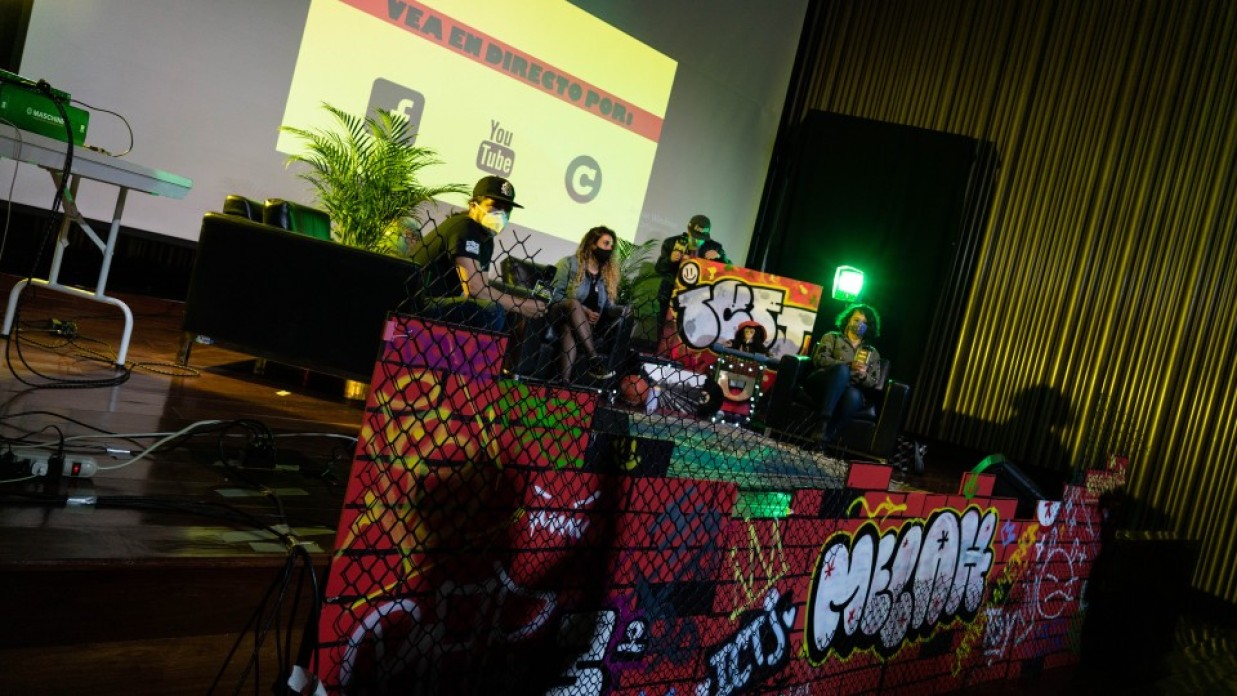
A group of people sitting on a stage.

Hip hop figures from Colombia and across Latin America, such as Zkirla and Lucía Vargas (center), participated in the event. María Camila Moreno Múnera, head of ICTJ’s Colombia office, and José Sarralde, director of Cartel Urbano, gave the opening remarks. German Ambassador in Colombia, Peter Ptassek, also sent a welcoming video message to participants.​

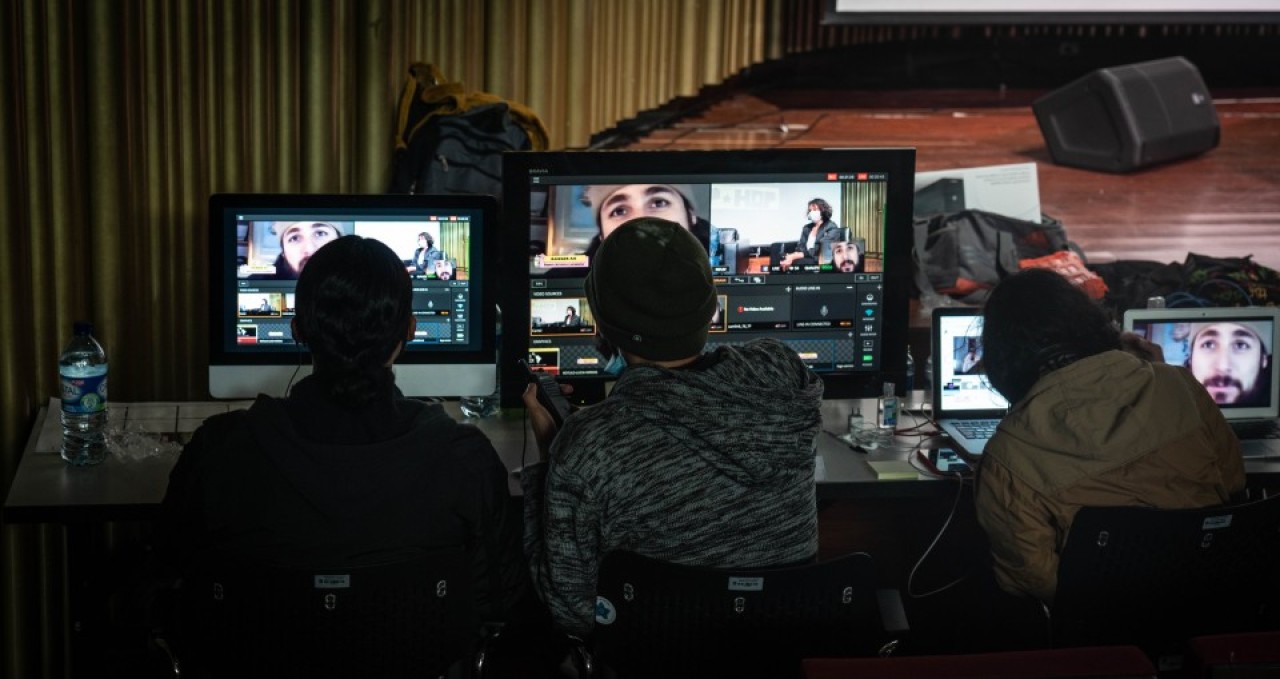
People sitting at a desk with computers.

The auditorium of Bogotá’s Center for Memory, Peace, and Reconciliation served as the event’s headquarters and main stage. Panel discussions and performances were livestreamed on ICTJ’s Facebook page and Cartel Urbano’s Facebook and YouTube pages. More than 125,000 viewers in Latin America and around the world tuned into the livestream or shared it on social media.​

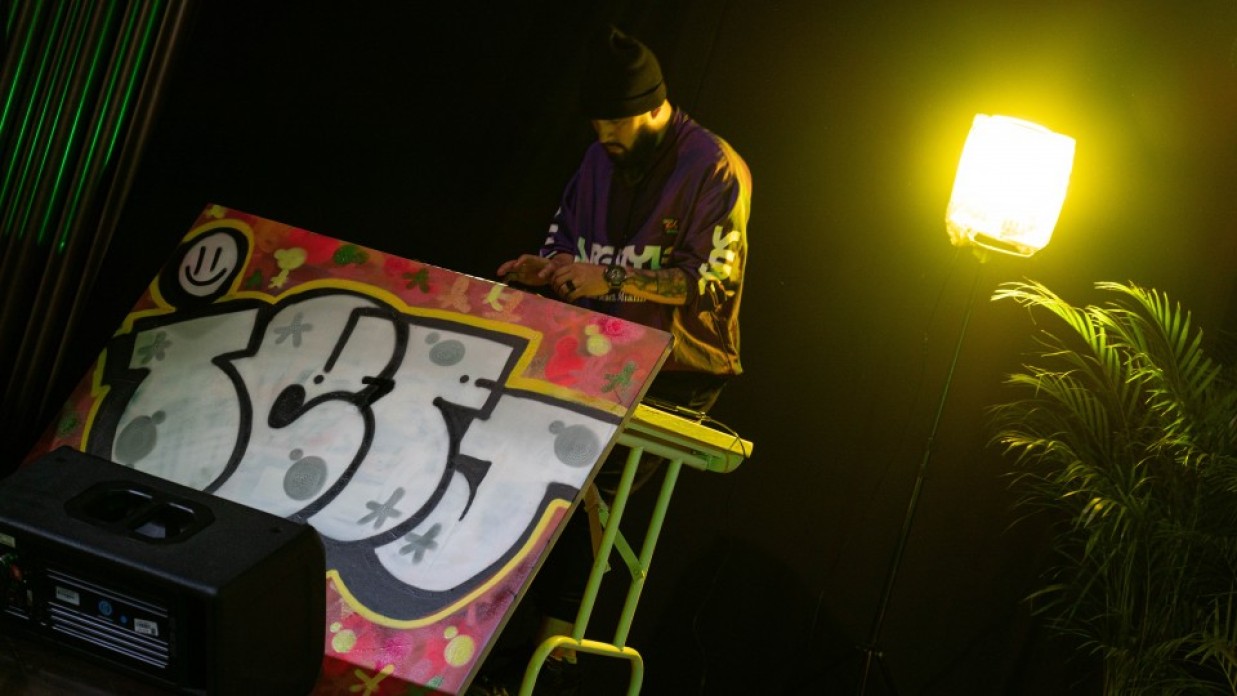
A musician behind a booth.

Astrallbass, the award-winning Colombian hip hop musician and producer, led the opening presentation. For him, hip hop has always involved a spirit of resistance, ever since its creation in 1970’s New York. Similarly, he says, contemporary Latin American hip hop often conveys strong messages promoting progressive social and political change. ​

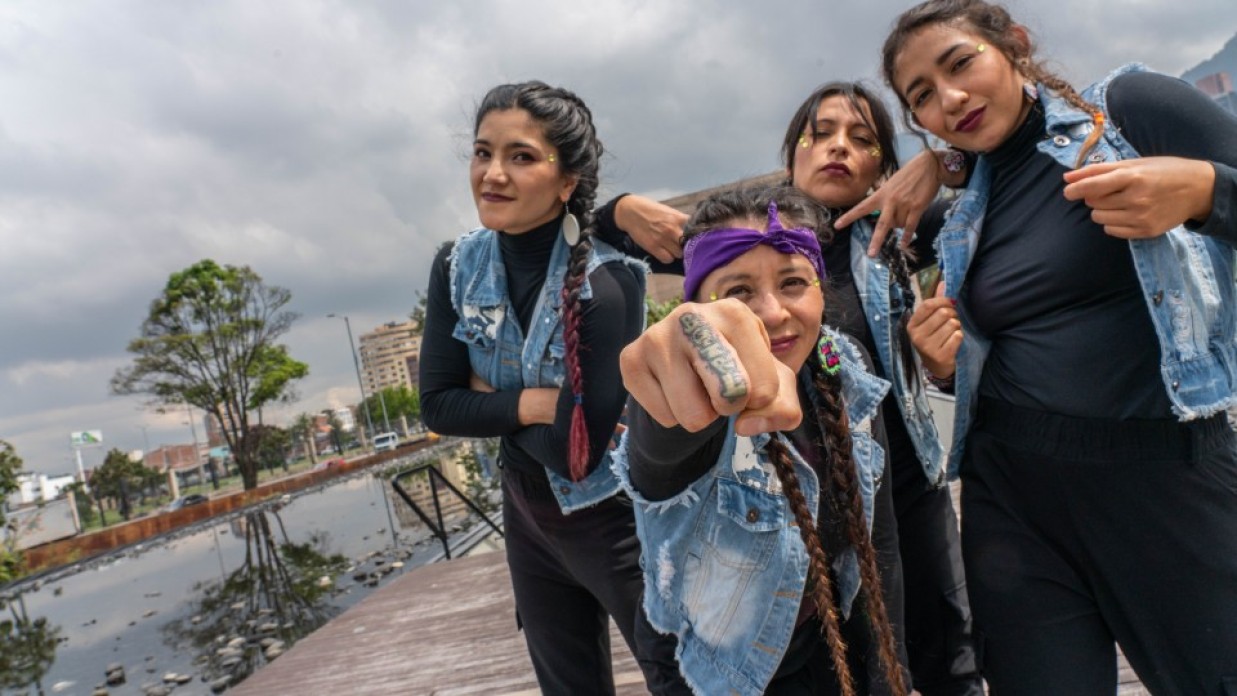
A group of female dancers.

The Newen B-Girls Tribe is an all-female dance crew from Bogotá who have been performing and teaching breakdance for over 14 years. Through breakdancing, they have found “power and energy” and a space to voice their concerns about inequality, gender-based violence, and other forms of injustice. 

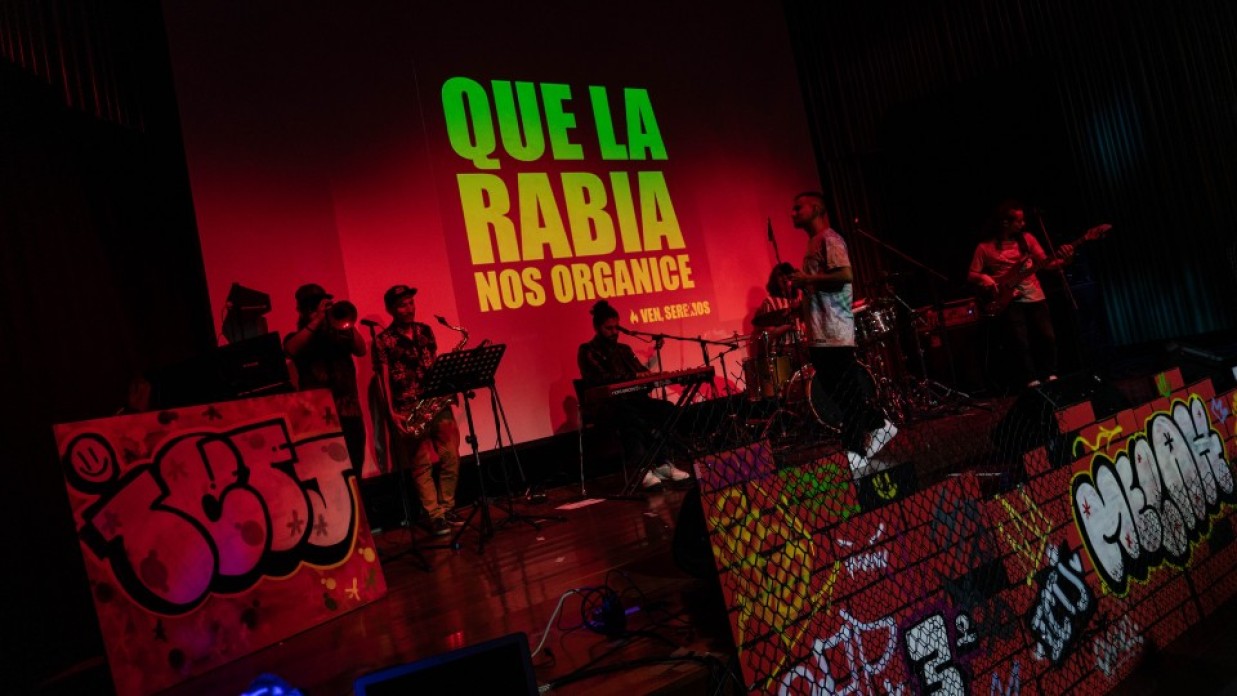
A group of performers onstage.

At the end of the third day, Colombian artists gave a live concert that was livestreamed on social media. The emerging Colombian rapper Ruzto opened the evening’s show, performing music from his new album, Beats de Colombia.

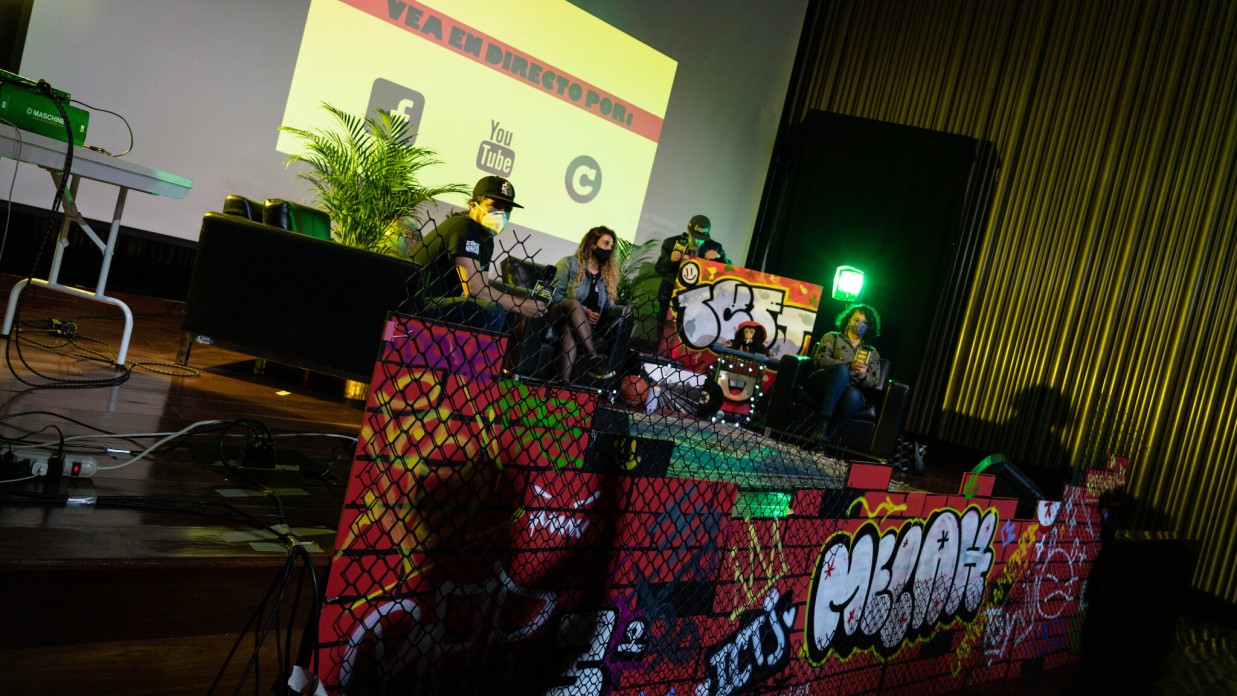
A panel discussion.

In the panel discussions and breakout sessions, the hip hop artists and other participants had the opportunity to share their experiences and ideas on the role hip hop plays in uncovering truth, preserving memory, resisting oppression. Killa Ace, an artist and activist from the Gambia, and Babaluku, a rapper from Uganda, were among the international artists who participated. They had the opportunity to learn from the work of grassroots organizations in various regions of Colombia and Latin America who carry on processes of social transformation. (Photo credit: María Margarita Rivera/ICTJ)

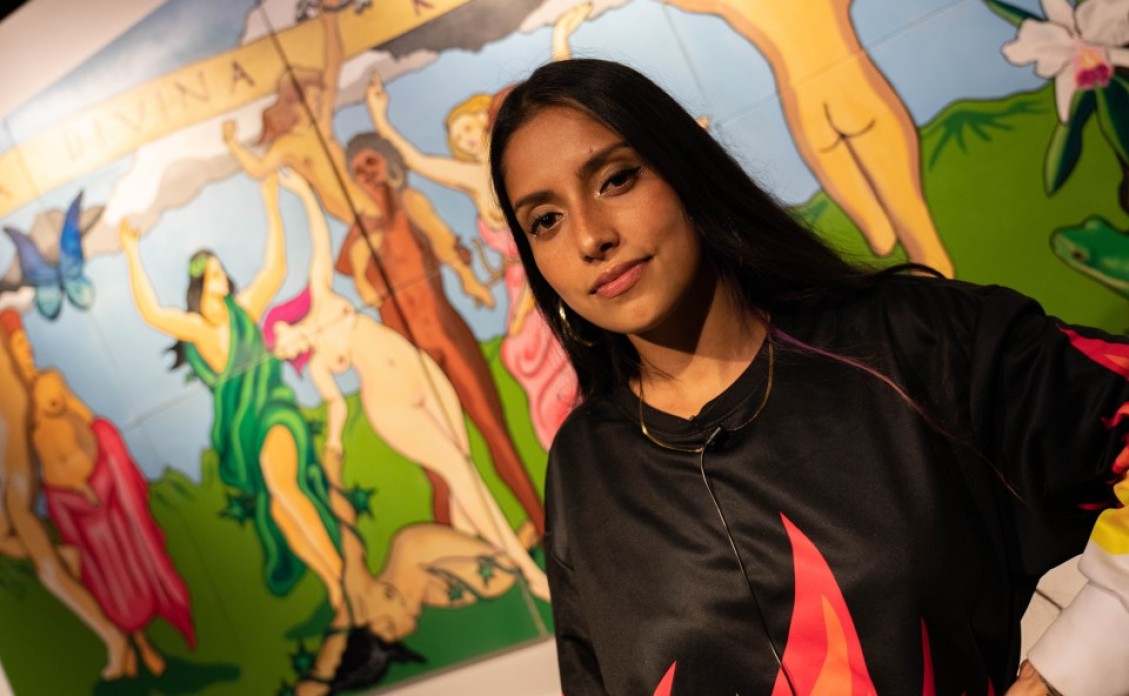
An artist on a colorful background

The female Colombian rapper Spektra de la Rima took the stage with her defining soft-spoken but powerful musical style. For her, hip hop opens door through which anyone, regardless of their gender, can express themselves freely. 

A group of performers onstage.

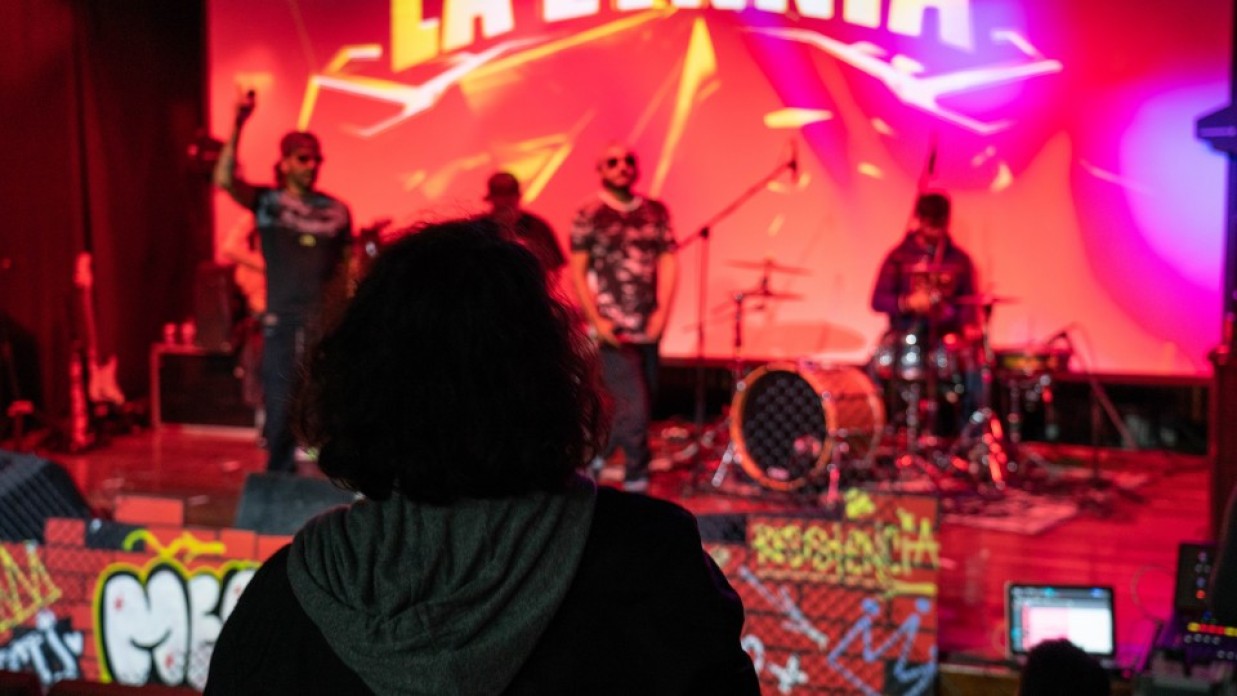
The iconic rap group from Bogotá La Etnnia closed the concert with an energetic performance of some of their most popular songs. The group has been making music, much of it imbued with powerful social and political themes, since 1984. They founded 5-27 Records, where they produced the first Colombian rap album. 

Through its initiatives in several countries, ICTJ has learned that hip hop music can be a powerful and effective way to engage young people in transitional justice issues, such as truth, memory, and reconciliation, and encourage their participation in ongoing processes. The music, which particularly appeals to younger generations, can uniquely connect them to historical and ongoing injustices through a cathartic musical experience. It can also inspire them to resist oppression and to demand justice and positive social and political change.

In the Gambia and Côte d’Ivoire, for instance, ICTJ partnered with rising hip hop artists in an effort to educate young people about transitional justice processes underway in their respective countries and motivate them to take part in them. The artists created hip hop music about issues related transitional justice, effectively reaching a segment of the population that may not have otherwise known the full extent of past abuses or paid attention to policies meant to address them. These ICTJ-led initiatives fomented creativity and democratized knowledge about how to deal with gross human rights violations after conflict or repression. Several of the young people who participated in them later became leaders in their communities.

Knowing the positive role hip hop music can play in the pursuit of truth, justice, and redress, ICTJ staff members from different country offices discussed the idea of holding an international hip hop festival in Colombia where hip hop artists from around world could come together, learn from their each other’s experiences, and share their ideas about transitional justice issues with other artists, experts, practitioners, and civil society representatives. After many months of planning and numerous postponements due to the global COVID-19 public health crisis, ICTJ's office in Colombia joined forces with the Movement of Latin American Expressions of Hip Hop (MELAH) and the online cultural outlet Revista Cartel Urbano to host the hybrid virtual and live International Hip Hop Encounter in Bogotá, Colombia on November 25 through November 28. The four-day event assembled artists, musicians, and activists from across Latin America and Africa for live performances and to discuss the role of hip hop music and culture in uncovering truth, preserving memory, and resisting violence and oppression.

Black and Latinx youth in the South Bronx, in New York City, created hip hop music and culture in the 1970’s, against a backdrop of urban blight, poverty, and rising violent and often drug-related crime. The artistic and cultural movement has since spread to nearly every country around the globe. The music, graffiti, and breakdancing often articulate the hardships of marginalized populations and their desire for justice and greater opportunities, regardless of the country where they are made. 

Many marginalized populations today, especially those in countries with legacies of gross human rights violations, still grapple with poverty, inequality, social exclusion, and targeted police brutality. For young people in these communities, hip hop remains a relevant tool to help affirm their dignity in face of discrimination and an outlet of creative expression and cultural resistance. 

Learn more about the international hip hop encounter here:


Inglés